
The gap nobody prices in
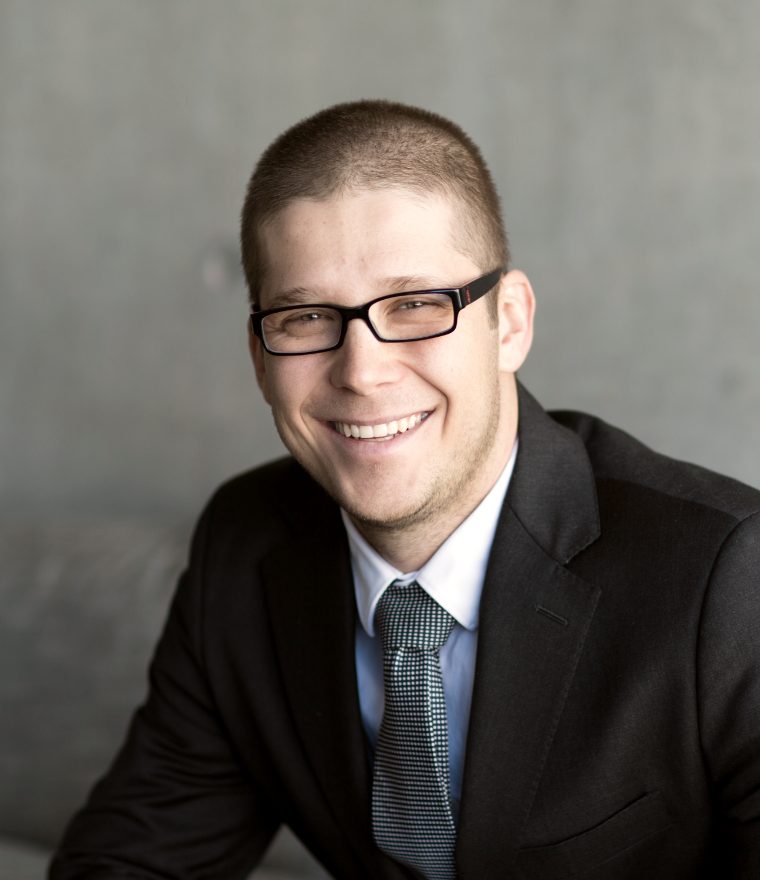
Maxim Zobov has spent his career in the finance chair — CFO, VP Finance, Controller, Director of FP&A — inside private equity portfolio companies, venture-backed investments, family office holdings, and owner-operated businesses. He has scaled companies from $2 million to more than $250 million in revenue, led teams from 20 employees to 1,500, and managed businesses across North America, Europe, and the Middle East, operating daily in multiple languages and bringing a global lens to every business he leads.
From that seat, he kept watching the same quiet failure repeat itself — and over time he understood what it actually was. Not a shortage of smart people. A shortage of people who had sat in it.
Three angles, and why most advisors have only one
The operator's seat.
There is a kind of knowledge that only comes from owning the number. From closing the month yourself when the bookkeeper quit. From being the person the bank calls when the covenant is tight. From standing in the warehouse, the clinic, or the sales floor and seeing why the margin report is wrong before the report exists. Advisors who have never carried that responsibility can describe the problem beautifully. They rarely see it coming, because the early signals live in the weeds — a receivable aging one bucket, a clinician's calendar thinning, a supplier's terms quietly shortening — and the weeds are where they have never been.
Every kind of owner.
A founder-run company, a private equity portfolio company, a venture-backed start-up, and a family office holding are four different businesses even when they sell the same thing. The founder needs to know whether the company is an asset or a job. The sponsor needs a pack by the tenth, a covenant model two quarters ahead, and a value-creation plan that shows up in the numbers. The venture board needs burn, runway, and unit economics that survive the next round's diligence. The family office needs stewardship, distributions, and a multi-generation view. Most finance advisors have lived in one of these environments and apply its instincts to the other three. That is how a founder gets a sponsor's reporting burden without a sponsor's capital, or a portfolio company gets a founder's informality without a founder's control.
Every stage of the arc.
Two million in revenue and two hundred fifty million are different companies with different failure modes — and the transitions between them are where businesses break. The first controller hire. The second location. The first institutional lender. The add-on that doubles headcount. The exit process, where every shortcut taken over ten years is found in ten weeks. An advisor who has only seen one stage can help you operate inside it; they cannot see the next one coming or tell you what it will demand of the numbers you are building today.
What the gap costs
The expensive failures in growing companies almost never come from a lack of intelligence. They come from a lack of context — and context is exactly what the market stopped selling.
- A fractional CFO with ten clients, working from summary reports, who learns about the cash problem in the month it arrives.
- An interim executive already recruiting for the next role, optimizing for a clean handover rather than a hard truth.
- A consultant who delivers a strong deck, invoices, and is gone before the first implementation decision.
- A software platform that shows the dashboard and leaves the interpretation — and the responsibility — with an owner who already has a job.
Each of them capable. None of them present, and none of them accountable for what the numbers do next. The result is predictable: the mispriced contract that runs for three years, the cash crunch nobody modeled, the compensation model that fails diligence, the second location that never got its own profit and loss statement, the deal that re-trades on the working-capital peg because no one on the company's side had ever negotiated one.
The refusal
Zobov & Partners was founded on a simple refusal: to sell attention by the slice.
Every client gets a dedicated CFO and a team behind them — deliberately overseeing a limited number of engagements — who has sat in the operator's seat, has worked under every kind of owner, and has seen every stage of the arc. That CFO learns the business inside out and stays through what comes next: the second location, the raise, the lender, the add-on, the turnaround, the exit.
It is a harder model to scale. It is the only one we would trust with a business we cared about. So it is the only one we run.